

Summary:
- Learn common flu symptoms.
- Understand when flu symptoms may need urgent care.
- Know when flu testing may be recommended.
- Find out which symptoms need emergency care.
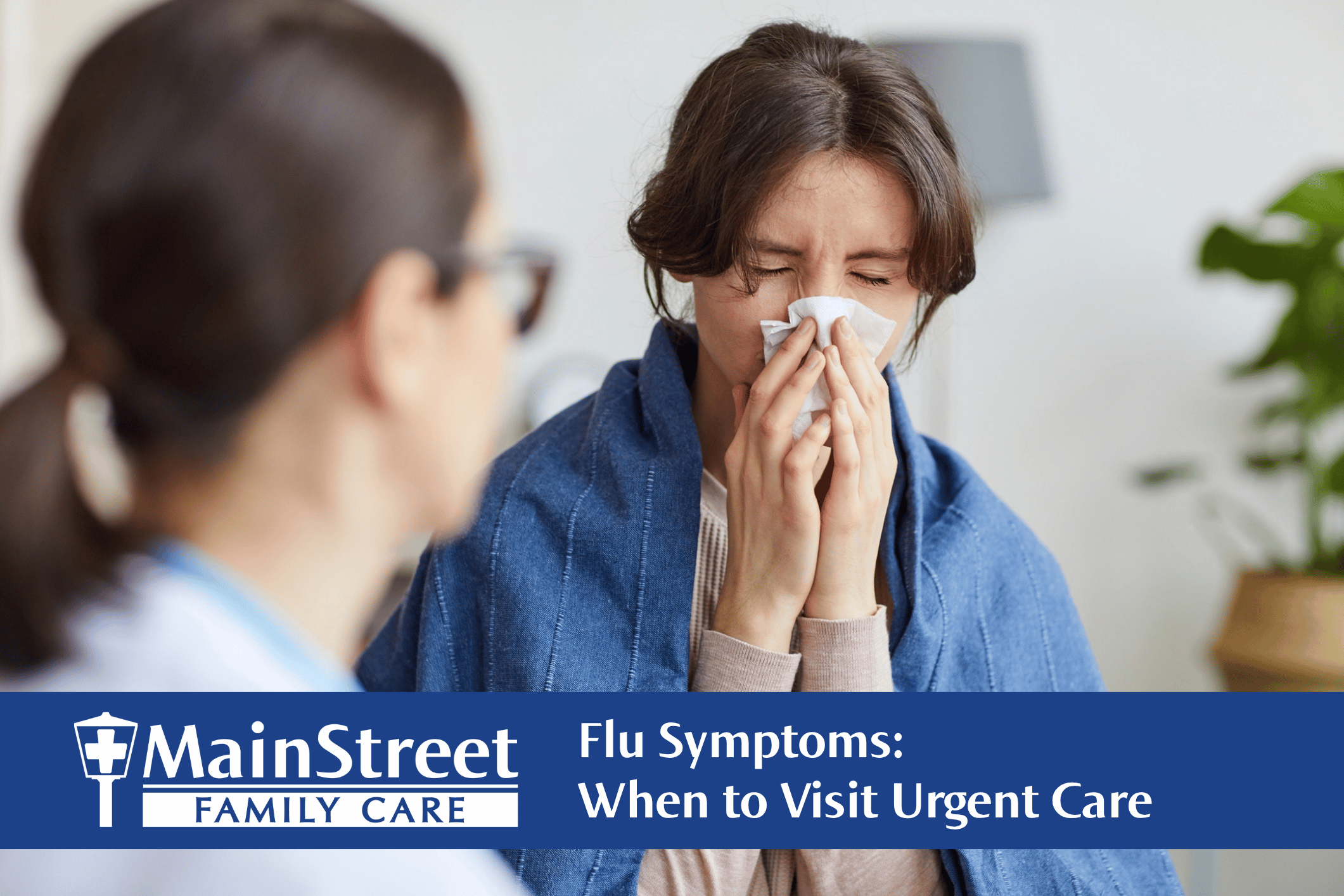
Flu Symptoms: When to Visit Urgent Care
One of the defining features of the flu? How fast it hits.
You might feel fine at lunch and, by dinner, be dealing with a fever, chills, body aches, and a level of tiredness that makes the couch feel miles away. A cough and sore throat often come along for the ride.
Everyone’s experience is a little different, and recovery can look different from person to person, too. What helps is knowing which symptoms to watch, when it makes sense to get checked out, and when symptoms need emergency care.
Common Flu Symptoms
The classic symptoms of the flu include fever, chills, and body aches. But there are others that may present, such as:
- Fatigue
- Headache
- Cough
- Sore throat
- Runny nose or congestion
- Decreased appetite
- Nausea, vomiting, or diarrhea in some cases
Many of these symptoms overlap with colds, COVID, RSV, and strep, so it can be hard to tell them apart without testing and an exam by a medical provider.
When Flu Symptoms May Need a Closer Look
It’s a good idea to have your symptoms checked if you notice:
- A fever that isn’t improving
- Symptoms that came on suddenly and feel intense
- A cough with fever
- Trouble keeping fluids down
- Ear pain
- Symptoms that are getting worse instead of better
And if you’re simply concerned about how you’re feeling, that’s reason enough to come in, too.
Pay particular attention if you don’t notice any improvement in your symptoms after a few days of fluids and rest. A medical provider can check whether something else, such as a secondary infection, may be going on.
When Flu Testing May Help
Flu testing may help when your symptoms point toward flu, when they overlap with other illnesses, or when a medical provider recommends it.
Testing is one part of the visit, along with a symptom review and an exam by a medical provider. Because testing is done on site, results may help your provider recommend next steps during your visit.
When You Should Visit Urgent Care
MainStreet Family Care can evaluate flu symptoms that aren’t an emergency and recommend next steps. Consider a visit for:
- Fever
- Cough
- Sore throat
- Body aches
- Fatigue
- Symptoms that may need testing
- Concerns about returning to work, school, or normal activities
Our urgent care services can help you understand what may be going on and what to do next, so you’re not left waiting and wondering at home.
When to Go to the ER
Some flu symptoms need emergency care. Go to the nearest emergency room or call 911 for:
- Trouble breathing
- Chest pain
- Blue lips or face
- Severe dehydration
- Confusion or fainting
- Signs of stroke
- Symptoms that feel life-threatening
If a symptom feels serious or life-threatening, do not wait to get emergency care.
What to Expect at MainStreet Family Care
During your visit, you can expect:
- A review of your symptoms
- An exam by a medical provider
- Flu testing when appropriate
- Guidance on next steps
- Instructions for what to watch for at home
Our goal is to help you understand what may be going on and leave with a clear plan based on your symptoms and exam.
Visit MainStreet for Flu Symptoms
When flu season hits, the flu can make even simple tasks feel like a lot. If your symptoms are slowing you down or you’re not sure whether you need to be seen, our care team can take a closer look.
If you find yourself getting sick often or managing a chronic condition like asthma, COPD, or diabetes, our primary care services can help with ongoing care.
MainStreet Family Care is open 7 days a week! Register online to save your spot in line. Online registration is not an appointment, but it can help reduce in-clinic wait times by adding you to the queue before you arrive. Walk-ins are always welcome.