

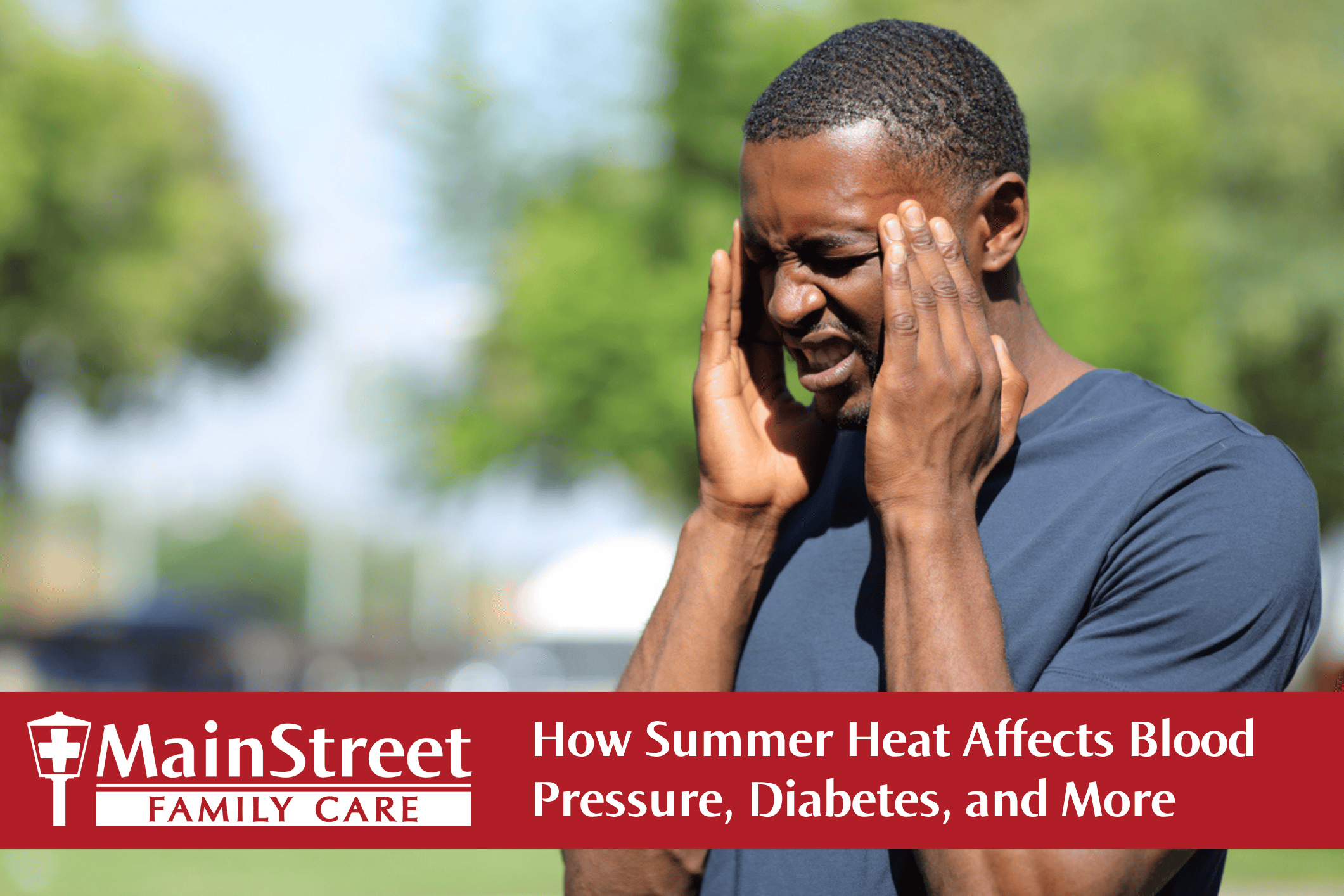
Summer is a fun season. It’s also a hot one. If you are managing a chronic health condition, summer heat might have more of an effect on you than you might think.
Heat affects the entire body, and for people living with conditions like high blood pressure, diabetes, or heart disease, those effects can become more serious and harder to manage. A few straightforward adjustments to your summer routine can help you stay safer and feel better through the hottest months of the year.
Here’s what you need to know about managing chronic illness in summer and staying safe during extreme heat.
How Heat Affects the Body
When temperatures rise, your body works hard to regulate its internal temperature. Blood vessels widen to release heat, sweat production increases, and the heart works harder to regulate body temperature. Your heart rate rises to keep up with the increased demand.
For someone in good health, these mechanisms work well. For someone managing a chronic condition, they can put extra strain on systems that are already working harder than usual.
Dehydration is a major concern in heat, and it can worsen nearly every chronic condition. As fluid levels drop, blood pressure, blood sugar, kidney function, and medication effectiveness can all be affected in ways that are difficult to predict without medical monitoring.
To stay safer during hot weather:
- Stay hydrated by drinking plenty of fluids
- Keep covered and protected from direct sunlight
- Dress in loose-fitting and breathable clothing
- Avoid peak times of heat (from 10am to 4pm) if possible
Summer Heat and Blood Pressure
Heat causes blood vessels to dilate, which can lower blood pressure. For most people, this sounds like it might be a good thing, but it can actually cause problems.
For example, a sudden drop in blood pressure can lead to dizziness, lightheadedness, and fainting, particularly when standing up quickly. This is called orthostatic hypotension, and it’s more common in the heat.
On the other hand, if dehydration causes blood volume to decrease significantly, blood pressure can rise in some individuals. The relationship between heat and blood pressure can vary from person to person, which is why staying hydrated and monitoring your numbers more frequently during summer is important for those with high blood pressure.
Some blood pressure medications, including diuretics, can increase the risk of dehydration and low blood pressure in the heat. Talk to your primary care provider about whether your current regimen needs any adjustments for summer.
Diabetes and Heat: What to Know During Summer
People with diabetes face particular challenges in the heat.
High temperatures can cause blood sugar to fluctuate in unpredictable ways. Dehydration and heat stress can affect blood sugar levels in unpredictable ways, and the physical stress of heat on the body can make glucose harder to manage.
Insulin and some other diabetes medications can also be affected by heat. Insulin that has been exposed to high temperatures loses effectiveness, so proper storage during summer outings and travel is essential. Keep insulin in a cooler or insulated bag away from direct sunlight, but avoid placing it directly on ice.
People with diabetes are also at higher risk for heat exhaustion and may not feel thirst as reliably as others, making deliberate hydration habits especially important.
Heat and Medications: What to Watch For
Beyond blood pressure medications and insulin, many other common medications can affect how well the body handles heat. Antihistamines, antidepressants, diuretics, and some psychiatric medications can all interfere with sweating or fluid balance. Reviewing your medication list with a provider before the hottest months is a reasonable and proactive step.
Do not stop or adjust any medication on your own. If you have concerns about how your medications might interact with summer heat, bring those questions to your next appointment.
Tips for Managing Chronic Conditions During Summer
- Monitor blood pressure and blood sugar more frequently during extreme heat
- Stay hydrated throughout the day
- Avoid prolonged outdoor activity during peak temperatures
- Store medications properly during travel and outdoor activities
- Talk with your primary care provider about heat-related medication concerns
Warning Signs to Watch For
If you have a chronic condition and experience any of the following during hot weather, seek medical attention:
- Significant dizziness or fainting
- Blood sugar readings that are unusually high or low and not responding to your normal management
- Chest pain or palpitations
- Confusion or difficulty thinking clearly
- Inability to keep fluids down
- Signs of heat exhaustion that do not improve with rest and hydration
These may be signs that your condition is being affected by the heat in a way that needs evaluation.
Be sure to read our summer health and safety tips guide for more guidance on managing health in hot weather, and don’t hesitate to seek urgent care if symptoms feel urgent or unusual.
MainStreet Family Care is open 7 days a week! Help is always close when you need it. Register online to save your spot in line. Online registration is not an appointment, but it can help reduce in-clinic wait times by adding you to the queue before you arrive.