
Summer means more time outside, from vacations and sports to outdoor work and weekend activities. But high temperatures and humidity can quickly increase the risk of heat-related illness, especially during the hottest months of the year.
Even though we welcome time in the sun, there’s a hidden danger: heat-related illness (HRI) like heat exhaustion and heat stroke.
Heat-related illness is more common than most people realize (it’s responsible for over 60,000 emergency room visits per year in the U.S.) and it can affect otherwise healthy adults quickly, especially when temperatures and humidity are both high.
Knowing the signs of heat-related conditions and taking a few simple precautions can go a long way toward helping you stay safe this summer.
What Is the Difference Between Heat Exhaustion and Heat Stroke?
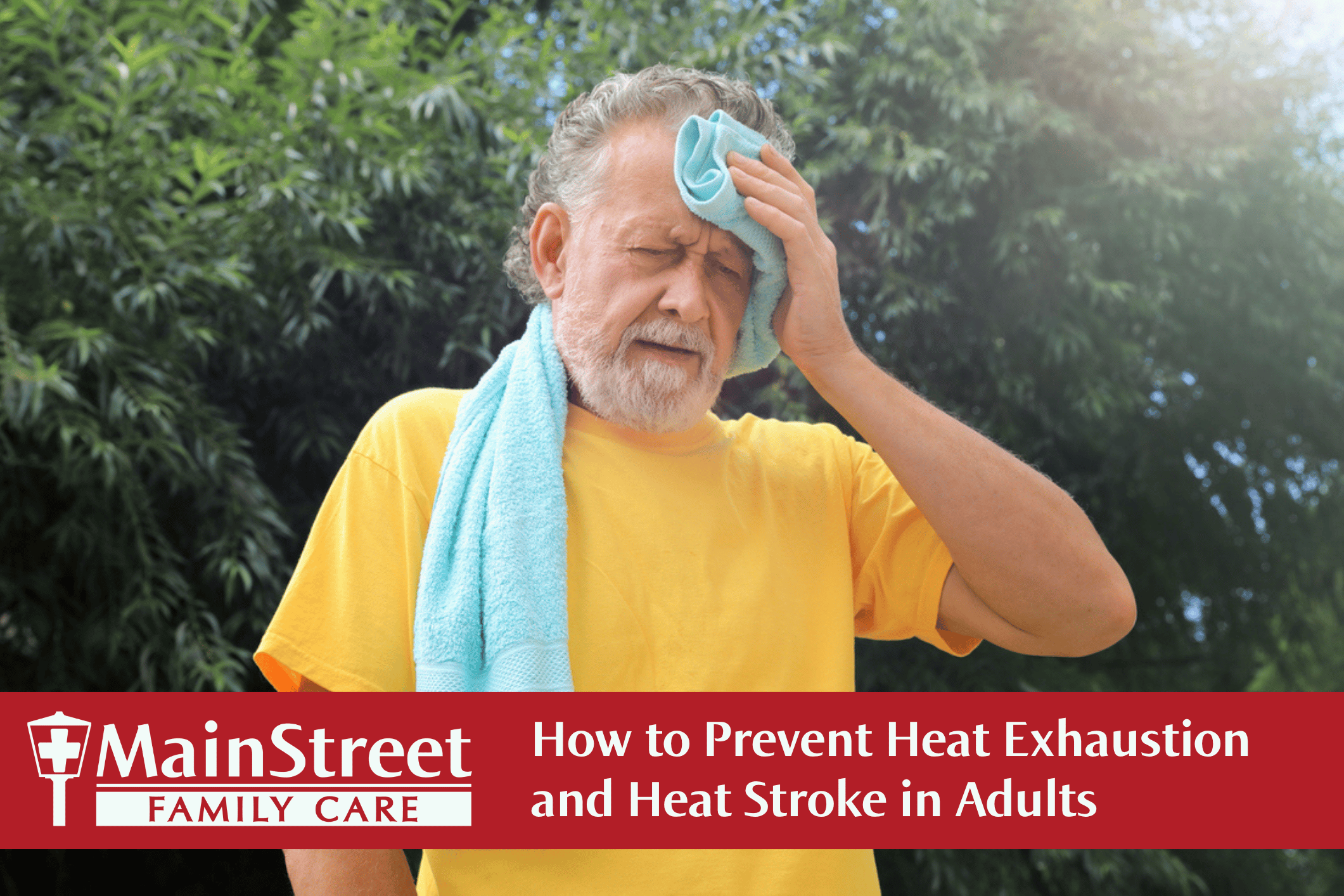
Heat exhaustion and heat stroke are both caused by the body overheating, but they are not the same condition, and it is important to know how to tell them apart by learning heat-related illness symptoms.
Heat exhaustion in adults happens when your body loses too much water and salt, usually through sweating. Signs of heat exhaustion include:
- Heavy sweating
- Cold or clammy skin
- Fast but weak pulse
- Nausea
- Dizziness
- Muscle cramps
- Fatigue
- Headache
Most people with heat exhaustion are still alert and able to move. Moving to a cool area, drinking water, and resting are often enough to bring the body temperature back down.
Heat stroke is far more serious and happens when the body can no longer cool itself properly. Body temperature can rise quickly, creating a life-threatening emergency.
Heat stroke symptoms include:
- Hot and dry skin or heavy sweating
- Rapid and strong pulse
- Confusion and/or slurred speech
- Loss of consciousness
- Seizures
Heat stroke is a medical emergency. If not treated promptly, this level of hyperthermia can be fatal. If you suspect someone is experiencing heat stroke, call 911 immediately.
Who Is at Higher Risk for Heat Illness?
While anyone can develop heat exhaustion or heat stroke, certain groups of adults face a higher risk.
Older adults are especially vulnerable because the body’s ability to regulate temperature becomes less efficient with age.
People who take certain medications, including diuretics, antihistamines, and some blood pressure medications, may also have a harder time staying cool.
Individuals with chronic conditions like diabetes, heart disease, and kidney disease face added risk as well, since these conditions can affect how the body responds to heat.
Outdoor workers, such as those in construction, landscaping, and agriculture, are at high risk simply due to prolonged sun and heat exposure during the workday.
Finally, athletes and people who exercise outdoors during the hottest parts of the day also need to be especially mindful. Younger adults can also develop heat illness during outdoor exercise, sports, or physically demanding activities in the heat.
How to Prevent Heat Illness This Summer
The good news is that many heat-related illnesses can be prevented with a few consistent habits. By then, your body may already be overheating.
Here’s what you can do:
- Stay well hydrated. Drink water regularly throughout the day, even if you do not feel thirsty. Thirst is often a sign that you are already mildly dehydrated.
- Dress smart. Wear lightweight, loose-fitting, and light-colored clothing that allows sweat to evaporate. A wide-brimmed hat and sunglasses can also help reduce your exposure to direct sunlight.
- Schedule outdoor activities wisely. Try to complete outdoor work or exercise in the early morning or evening when temperatures are lower.
- Take breaks in the shade or indoors. If you are working or exercising outside, make it a habit to take regular breaks in a cool or shaded area. Even 10 to 15 minutes of rest can help your body recover.
- Never ignore early warning signs. Fatigue, lightheadedness, or excessive sweating are your body’s way of telling you it needs relief. Pay attention to those signals and act on them.
Simple heat safety habits can make the difference between a safe summer outing and a trip to the emergency room.
When to Seek Urgent Care for Heat-Related Conditions
If symptoms of heat exhaustion do not improve after about 30 minutes of rest, shade, and hydration, it is time to seek medical attention. Worsening symptoms, vomiting, fainting, or confusion are signals that the situation is escalating. Our urgent care team can evaluate your symptoms and help treat dehydration and heat-related illness before symptoms worsen.
If someone loses consciousness, becomes confused, or shows signs of heat stroke, call 911 right away. Heat stroke is life-threatening and requires emergency care.
Be sure to read our summer health and safety tips guide to learn more, and put primary care checkups on your calendar so you can stay on top of your health all year round, not just during the summer.
MainStreet Family Care is open 7 days a week! Register online to save your spot in line. Online registration is not an appointment, but it can help reduce in-clinic wait times by adding you to the queue before you arrive.