

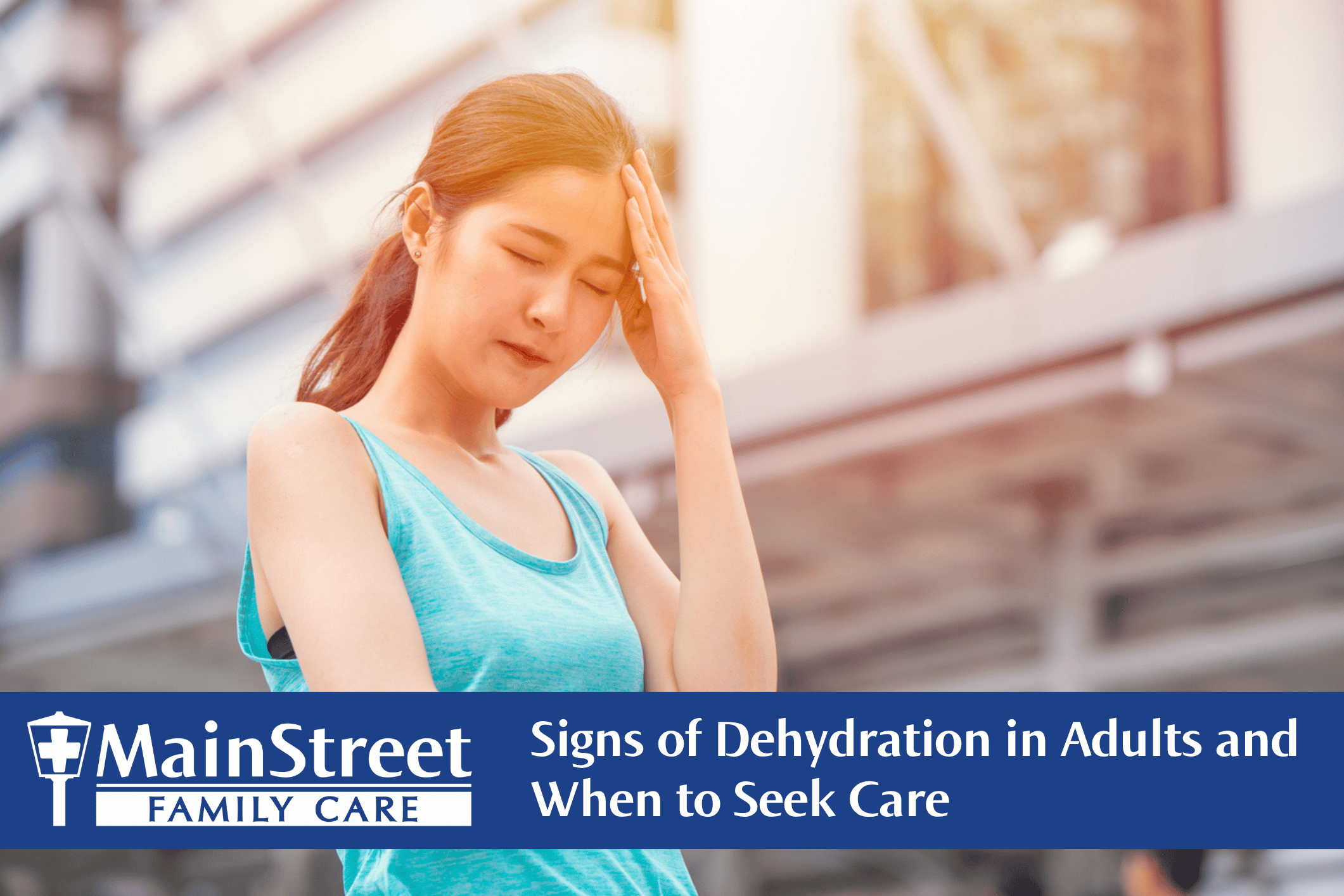
Staying hydrated during the summer is important, but many adults do not realize how quickly dehydration can develop in hot weather.
Between the heat, physical activity, and the busy pace of summer days, it is surprisingly easy to fall behind on fluids without realizing it.
Dehydration in adults can range from mild and manageable to serious enough to require medical attention. Knowing the signs and understanding when to act can make a real difference. This summer safety guide explains how much fluid adults typically need, common signs of dehydration, and simple ways to stay hydrated during hot weather.
Why Dehydration Is More Common in Summer
Your body loses water constantly through sweat, breathing, and normal body functions. In hot weather, that fluid loss speeds up significantly. When you add physical activity, time in the sun, or even air travel, the rate of fluid loss increases further. If you are not actively replacing those fluids, dehydration can set in faster than you expect.
Alcohol and caffeine, both of which are popular at summer gatherings, can also contribute to fluid loss. And because the sensation of thirst tends to diminish as we age, older adults in particular may not notice how much they need to drink until they are already behind.
Daily fluid needs vary based on age, body size, activity level, medications, and overall health, but many adults need approximately 2.7 to 3.7 liters of fluids per day. The typical adult receives 20% of their daily intake from food, and non-water fluids like tea, coffee, milk, and soda also help.
Common Dehydration Symptoms in Adults
Dehydration presents differently depending on how mild or severe it is, but there are several signs that are worth paying attention to throughout the day.
Dark yellow or amber-colored urine is one of the earliest and most reliable signs that you need more water. Urine should be a pale yellow when you are well hydrated.
Fatigue and low energy are also common, since your blood volume decreases when you are dehydrated, making your heart work harder to circulate blood.
Headaches, dry mouth, and reduced urination are other early signs to watch for.
Dizziness and lightheadedness, especially when standing up quickly, suggest more significant fluid loss. Muscle cramps, rapid heartbeat, and difficulty concentrating can follow.
Severe dehydration symptoms may include confusion, extreme fatigue, sunken eyes, and skin that stays tented when pinched rather than springing back.
By the time you notice many dehydration symptoms, your body may already be low on fluids.
Who Is Most at Risk?
Older adults face the highest risk because the body’s fluid reserves shrink with age and thirst signals become less reliable. People who work or exercise outdoors in hot conditions, including construction workers, athletes, and agricultural workers, are also at higher risk because of increased fluid loss through sweat.
Those with chronic conditions like diabetes or kidney disease need to be especially careful, since dehydration can complicate their health in additional ways.
Certain medications, including diuretics, can also increase fluid loss, so it is a good idea to ask your primary care provider whether your current medications affect how much you need to drink in summer.
Simple Tips for How to Stay Hydrated During Summer
Staying hydrated does not have to be complicated. Here are tips to keep your body topped off with fluid and ready to enjoy what the summer has to offer.
- Start your day with a glass of water before coffee or breakfast
- Keep a water bottle with you and refill it consistently
- Eat foods with high water content, such as watermelon, cucumber, strawberries, and leafy greens
- If you are spending time outdoors or exercising, drink before you feel thirsty and continue drinking at regular intervals
Sports drinks with electrolytes may help during prolonged outdoor activity or heavy sweating, but plain water is usually sufficient for most everyday summer activities. Avoid relying on alcohol, sweet tea, or sugary sodas to meet your fluid needs.
When Dehydration Needs Medical Care
Mild dehydration typically resolves with rest and steady fluid intake over an hour or two. However, if someone is vomiting and unable to keep fluids down, experiencing significant dizziness, showing signs of confusion, or has not urinated in several hours, medical care is needed. These signs suggest moderate to severe dehydration that may require IV fluids or additional evaluation.
Do not wait to seek urgent care services if dehydration symptoms are worsening rather than improving. If someone becomes unconscious or has a seizure, call 911 immediately.
MainStreet Family Care is open 7 days a week! We make it simple to get the care you need without the long wait. Register online to save your spot in line. Online registration is not an appointment, but it can help reduce in-clinic wait times by adding you to the queue before you arrive.